GymMaster
Contact: Australia: (+61) 1800 849 001 New Zealand: (+64) 3 668 5727 International: (+1) 415 915 0375
read more

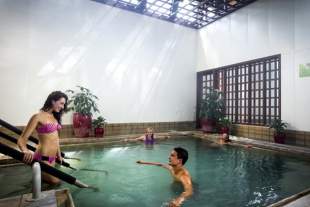
A new report has underscored Rotorua’s position as a leading international destination for spa and wellness tourism - revealing that it generated $277.6 million in visitor spending…
read more
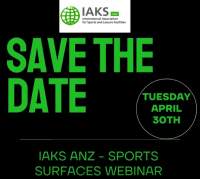
Looking to nurture the next generation of global industry leaders, IAKS ANZ (International Association for Sports and Leisure Facilities - Australia and New Zealand) has announced a…
read more
The Aquatic and Recreation Institute (ARI) NSW has released an exciting program for its 2024 conference with industry leaders set to address key industry issues. Notably, ARI has secured…
read more
Mount Ruapehu’s ski area operators have each announced the launch of their season passes. Split into two entities after Ruapehu Alpine Lifts (RAL) - the long-standing operator of…
read more
Wellington Shire Council's Aqua Energy Complex in Sale, located in the Gippsland region of Victoria, features a range of pools and spacious gym facilities. While the…
read more
The AEG ticketing platform AXS has moved to expand its global reach by acquiring a majority stake in WRSTBND, a leading provider of access control, credentialing and point-of-sale…
read more
An innovative matched funding initiative, offered through the Australian Cultural Fund (ACF) has supported 86 creative projects. The latest investment of close to half a million dollars…
read more
The Clyde Recreation Reserve has officially been opened by the City of Casey following a $21.5 million redevelopment to expand the facility to better meet the needs of the large and…
read moreReceive all the latest leisure news, product and event updates delivered right to your inbox!


The Complete Guide to Leisure Industry Products & Services.
Contact: Australia: (+61) 1800 849 001 New Zealand: (+64) 3 668 5727 International: (+1) 415 915 0375
read more
INTRODUCTION Abel Sports is Australia’s leading manufacturer and suppliers of Goal Posts, sports ground safety netting systems and coaches boxes for Stadiums ,Sports Clubs, Councils and…
read more
Smart Connection Consultancy is a boutique sport and recreation consultancy who has become one of Australia’s leading advocates for the use of synthetic sports surfaces as a vehicle to grow…
read more
Pico Play is a global leader in the planning, design, development and construction of world-class themed attractions and entertainment that deliver extraordinary and memorable experiences to millions…
read moreGet your business noticed in our targeted directory. Viewed by 10,000 industry professionals per week!



Culture / Entertainment / Venues /
Apr 30Get your event noticed in our calendar. Viewed by 10,000 industry professionals per week!